Engagement Platform
Overview
Client
Microsoft
Project
Engagement Platform
Role
Senior UX/UI Designer
Team
UX/UI
Industry
B2B
The Microsoft Engagement Platform, AKA “Microsoft Connect”, is an enterprise testing environments solution that allows developers and product teams from various companies to understand early on how their codecs, plug-ins, and specific product solutions might behave in environments common to large subsets of users. Within this environment, they could manage users across specific releases, and multiple iterations, view engagement metrics, their collective set of programs, and more.
Role
As a Sr. UX/UI Designer, I worked closely with a Jr. Designer and Reed Loar, our Creative Director. Through extensive interactions with the UX Director (Raymond Monaco) and his team, I was later given specific tasks common to UX only deliverables.
Problem Statement
For as useful, (some may argue mission-critical) as the Engagement Platform is, it suffered from 3 core problems we identified during our research phase.
- It took 8 months or longer to onboard a new team. Once in, MS found themselves increasingly in need of support resources to handhold these new customers due to the complexity of the platform.
- Because the system was not on a regular maintenance and upkeep schedule, many solutions were added over the years as needed, not as a part of scheduled, iterative releases. This created a broken taxonomy and various parts of the experience that felt disconnected.
- Users were spending a considerable amount of time per release cycle simply trying to piece together data from various sections for reporting or trying to decipher complex and in some cases inaccurate data viz sets.
Goals
The goals of this project were are as follows:
Improve onboarding time
Internally we saw opportunities early on to reduce the current time from 8mths to at least 5-6mths, and this was being super conservative as the broader research phase had not kicked off as yet.
Product Mindset
In addition to a new solution to the existing problem, a product mindset would need to be developed during this process to ensure data and product development’s iterative nature are being utilized in order to avoid the pitfalls of the current application.
Clarity
Early on we realized reporting could be much easier in the system with a dashboard, and dedicated reporting features. This would also intersect with the data visualization issues we saw with either existing reporting, or just the system on a whole.
Research
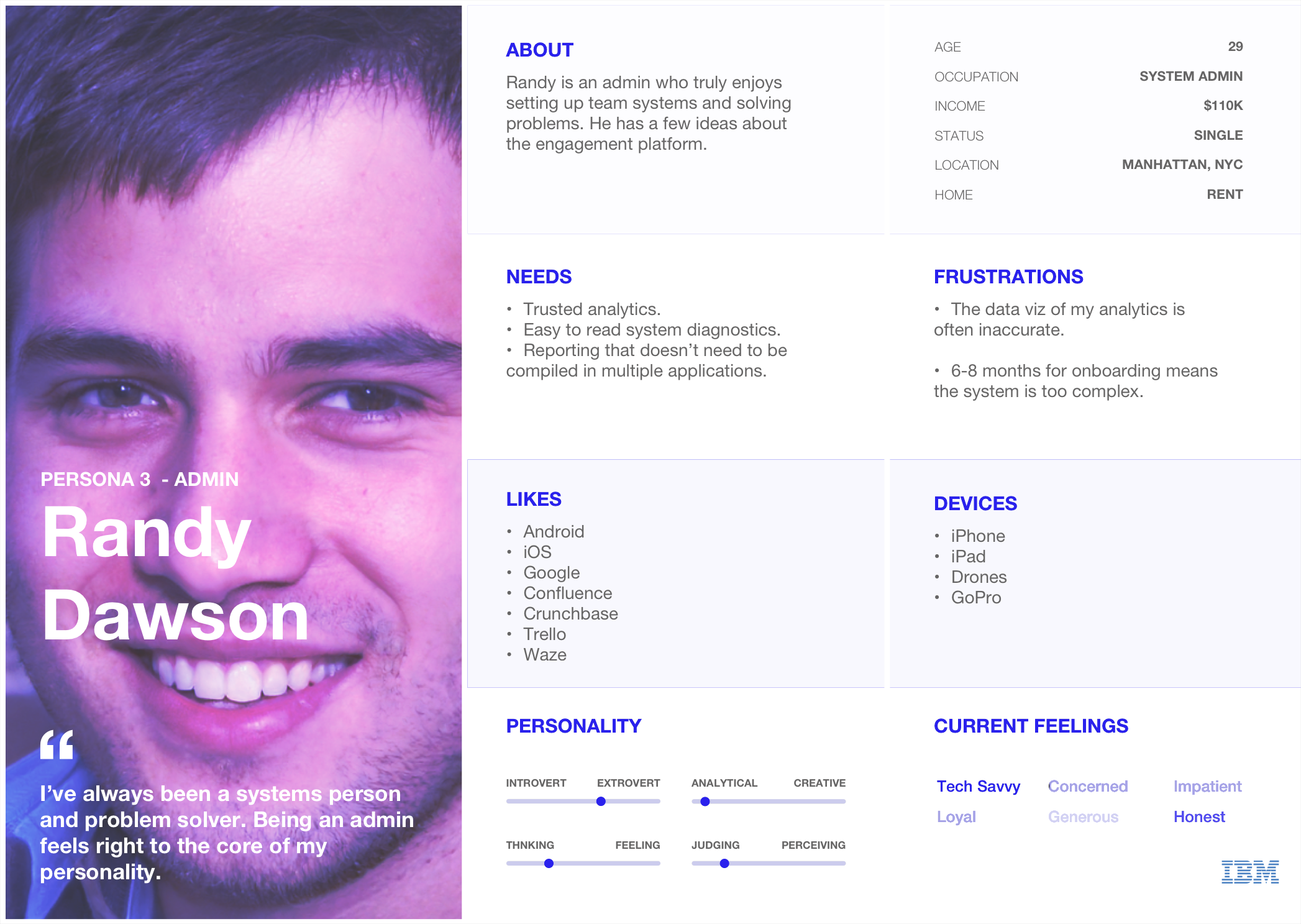
For the research phase of the project, we spent 2 months getting to know the users and developing gathering insights, defining personas, and understanding their overall tasks and activities.
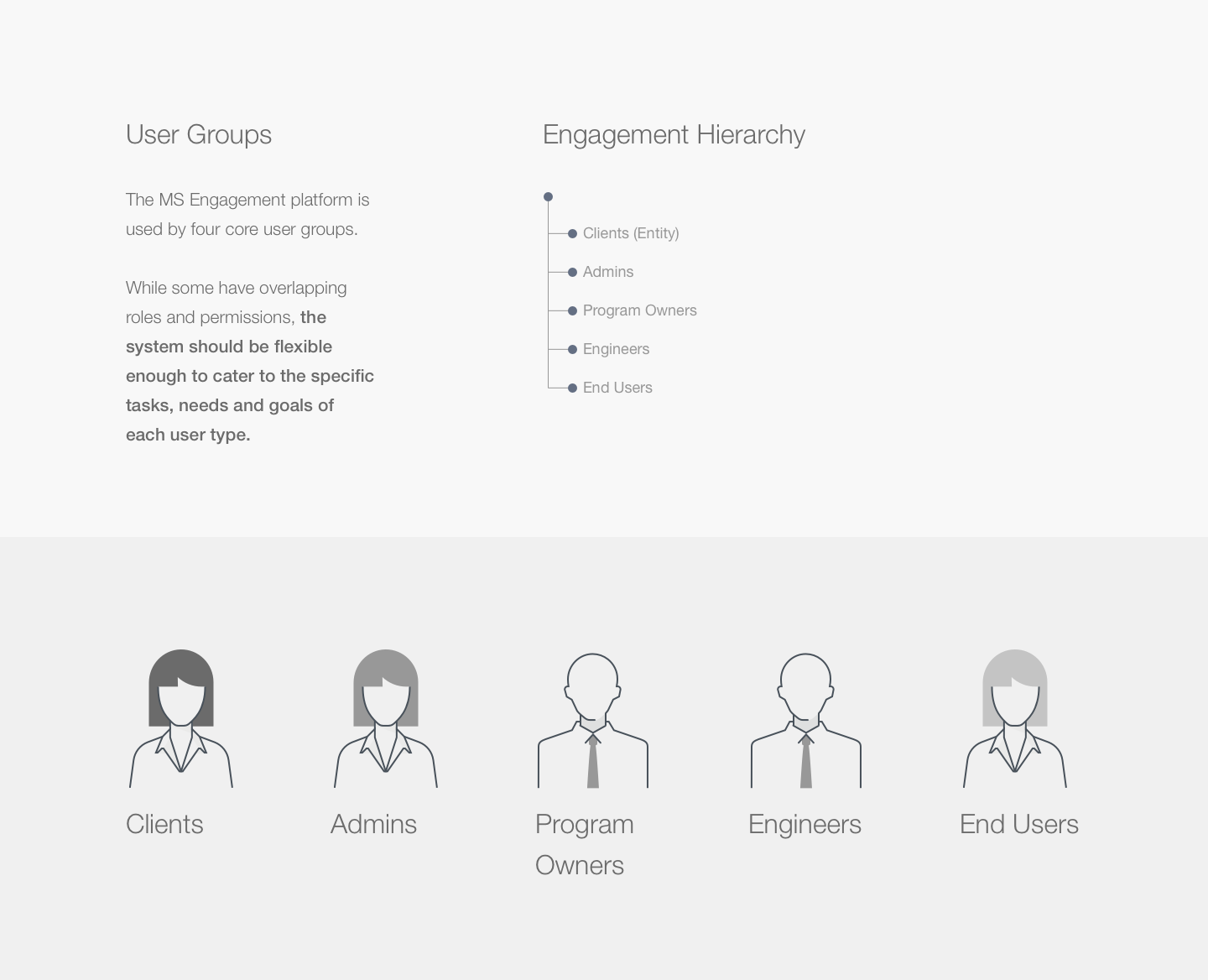
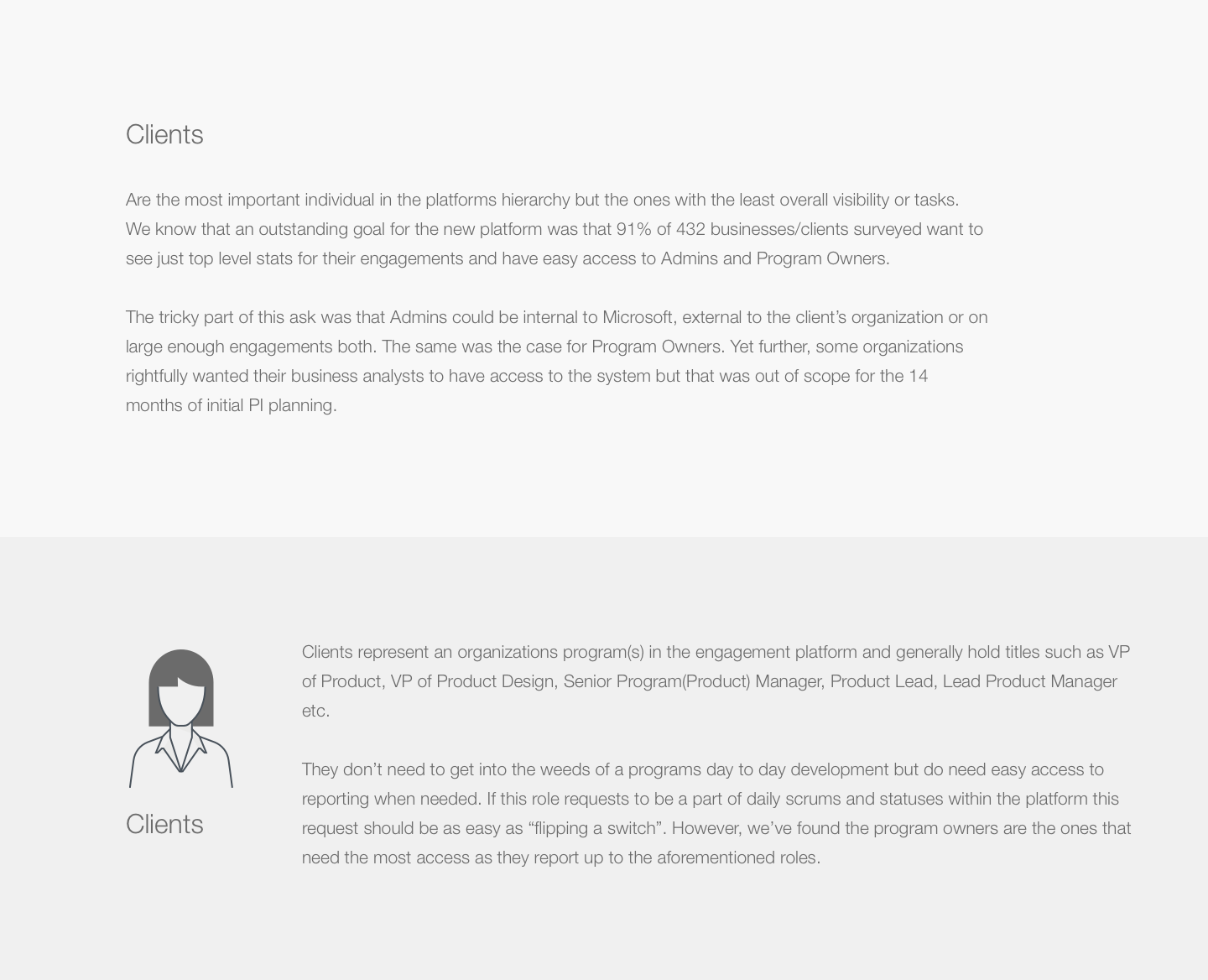
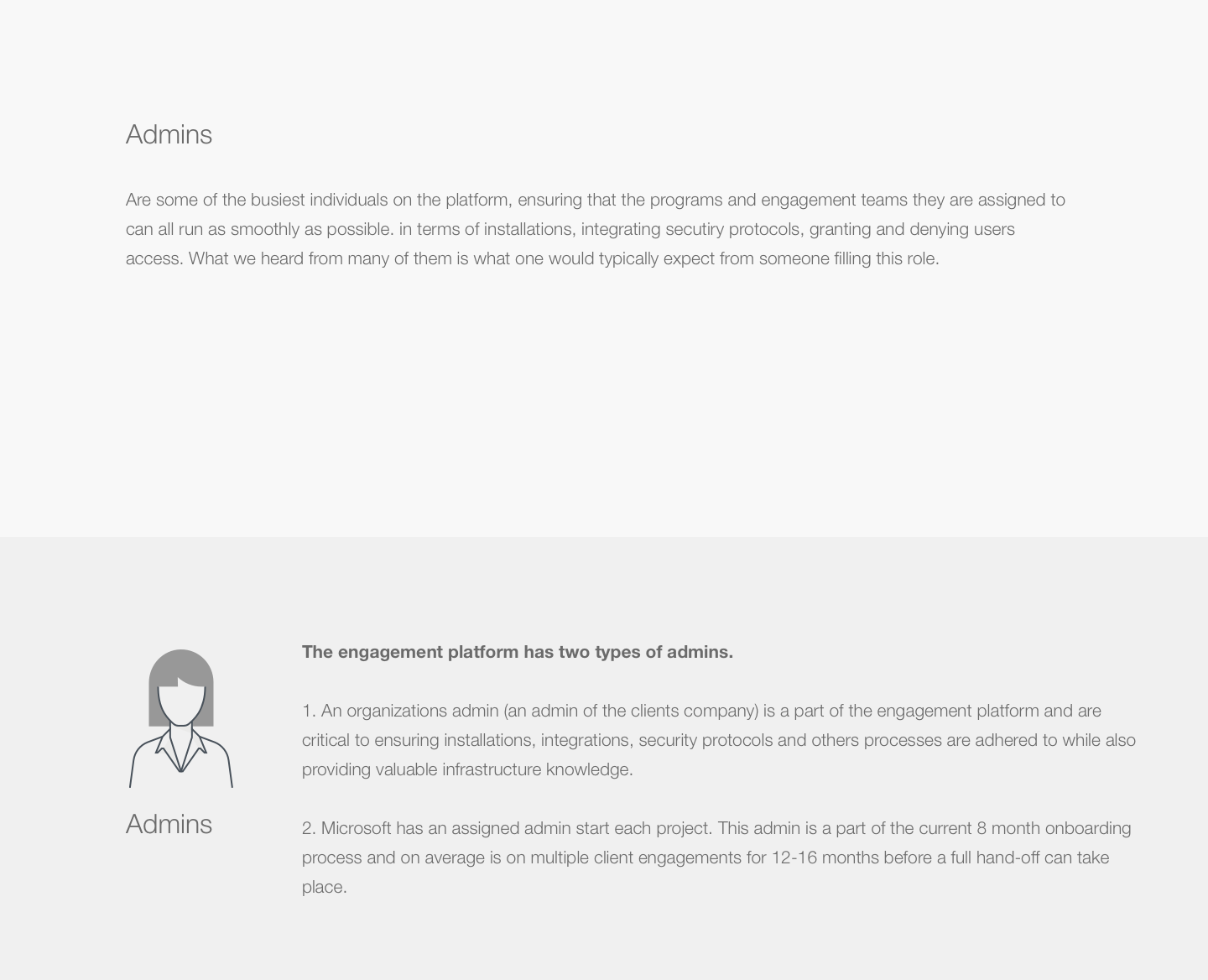
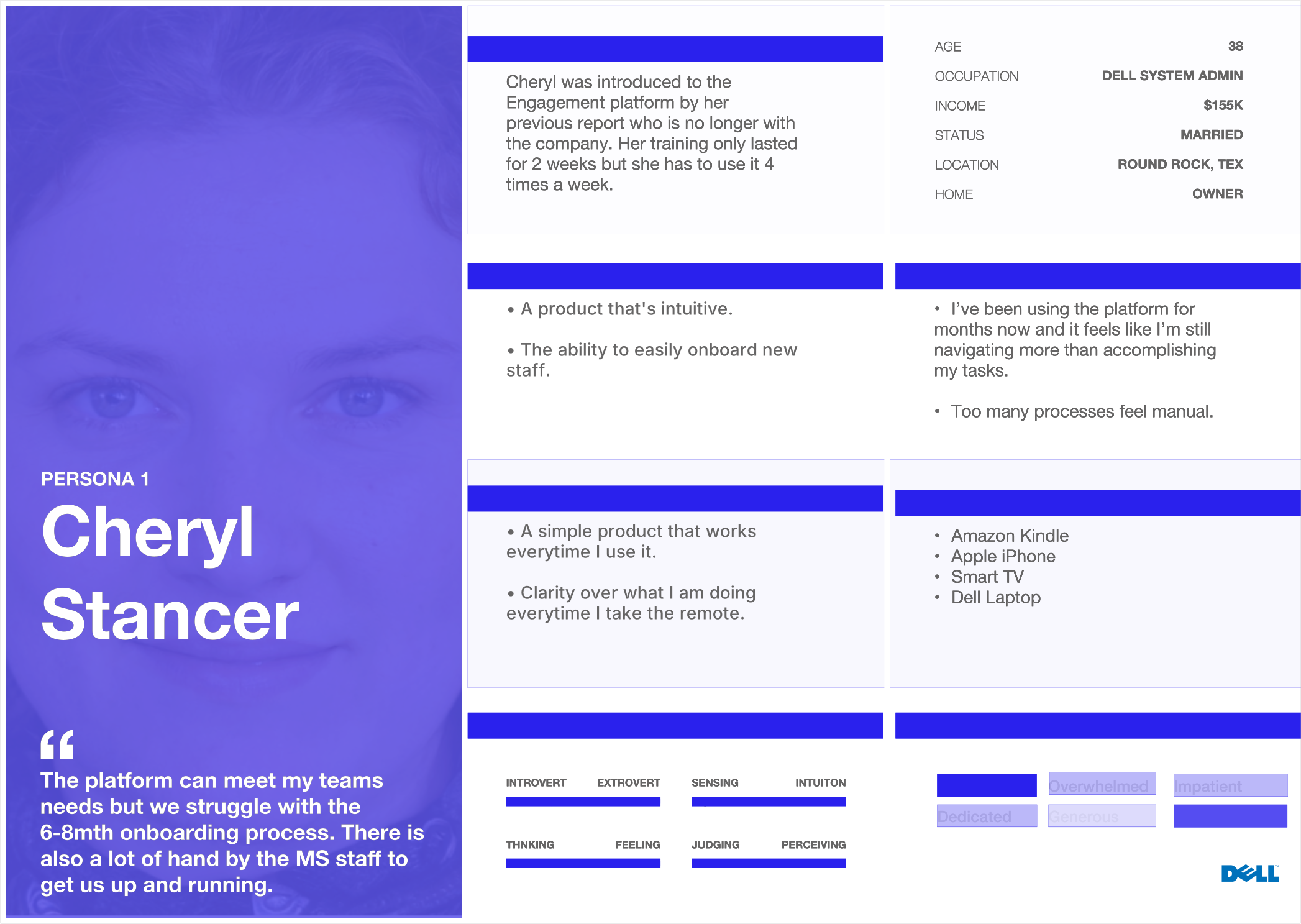
Personas
Flowcharts & Affinity Mapping
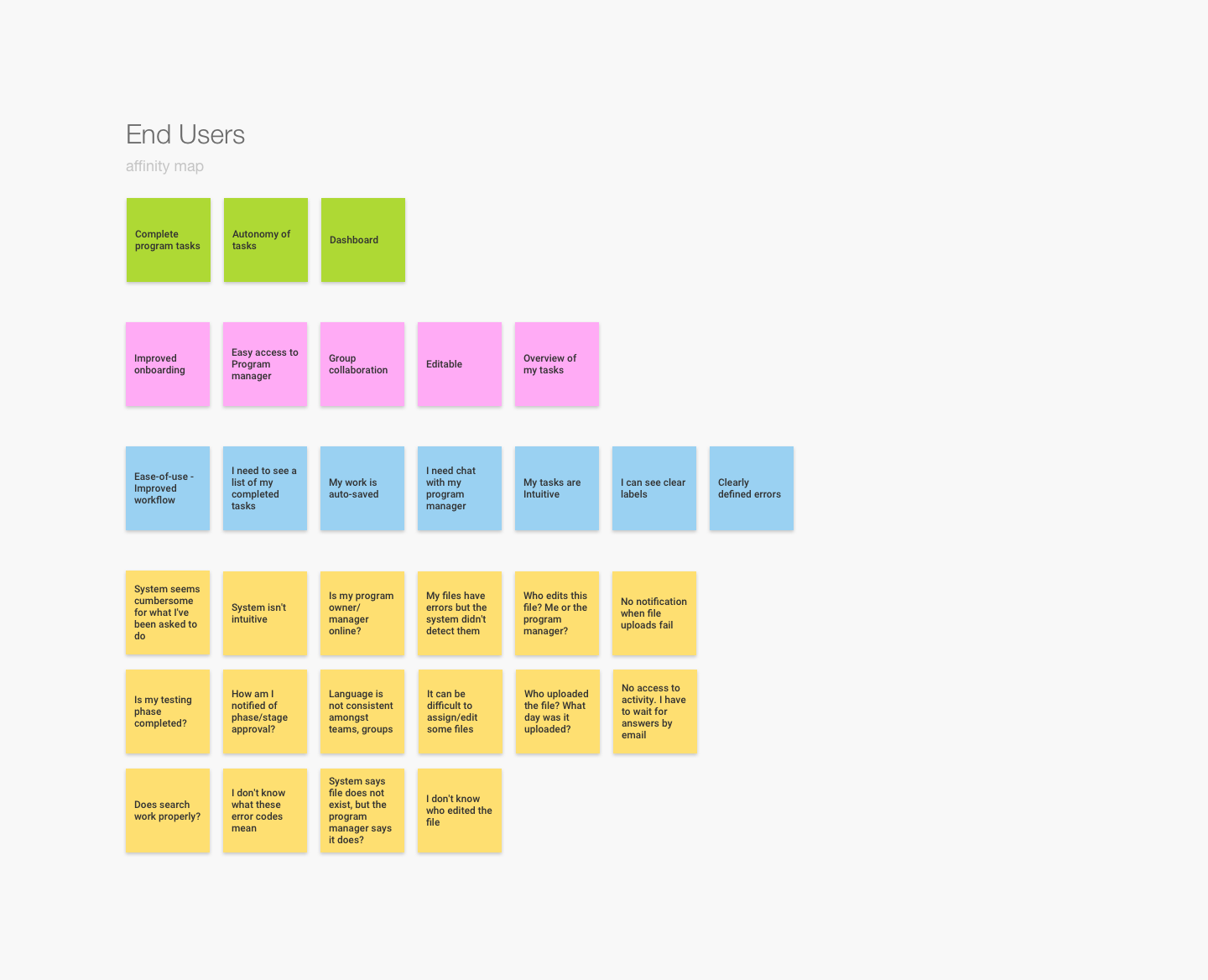
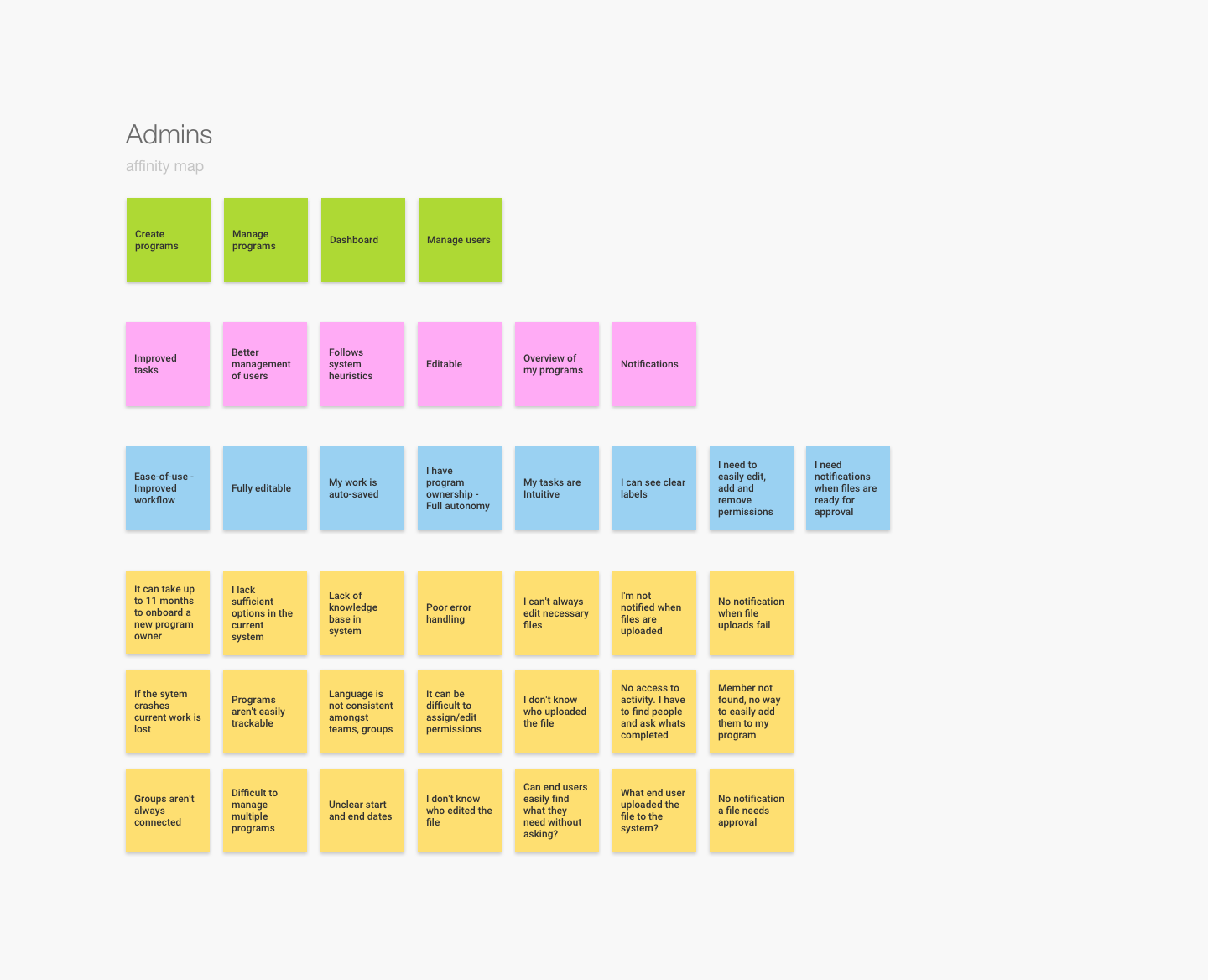
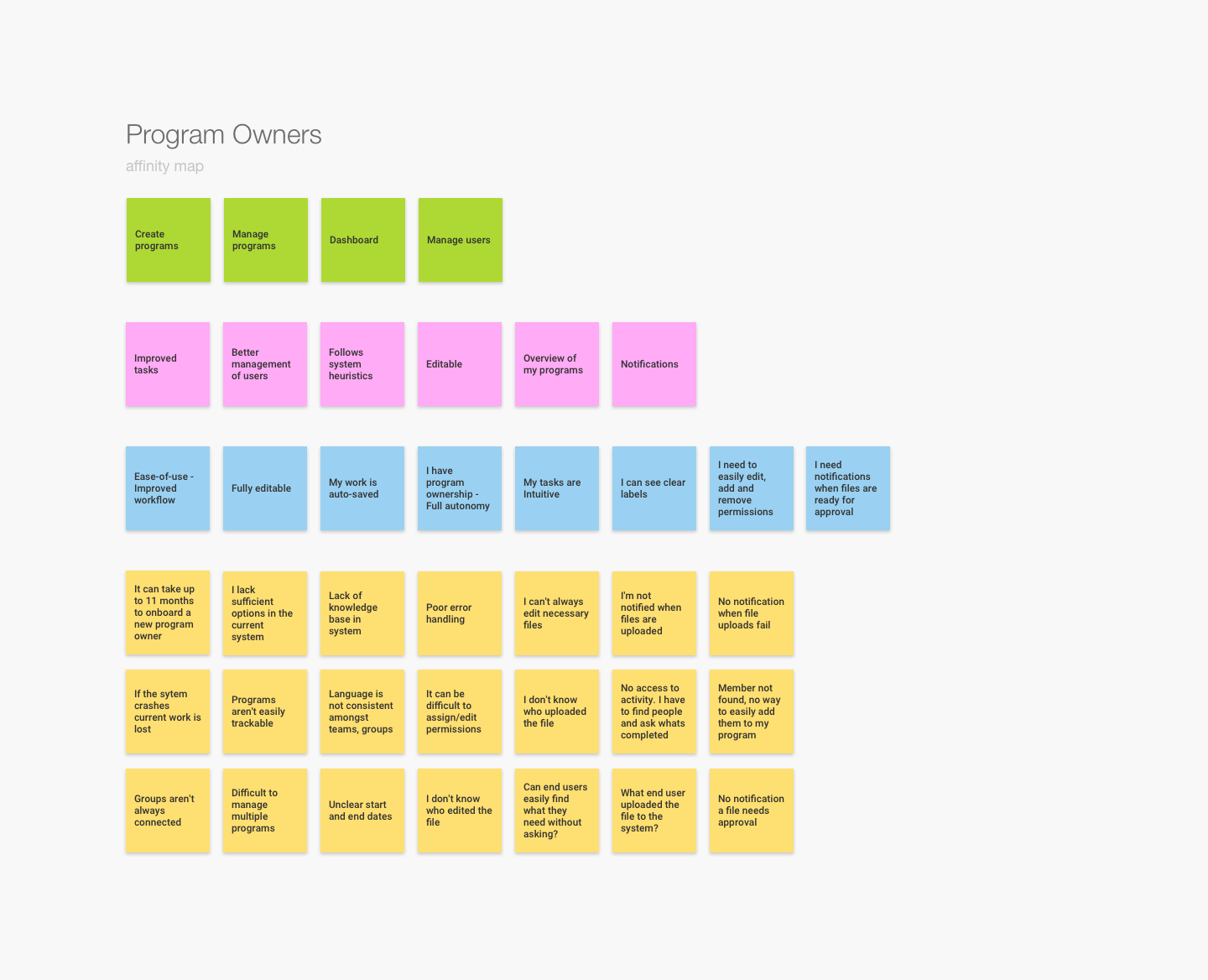
Flowcharts
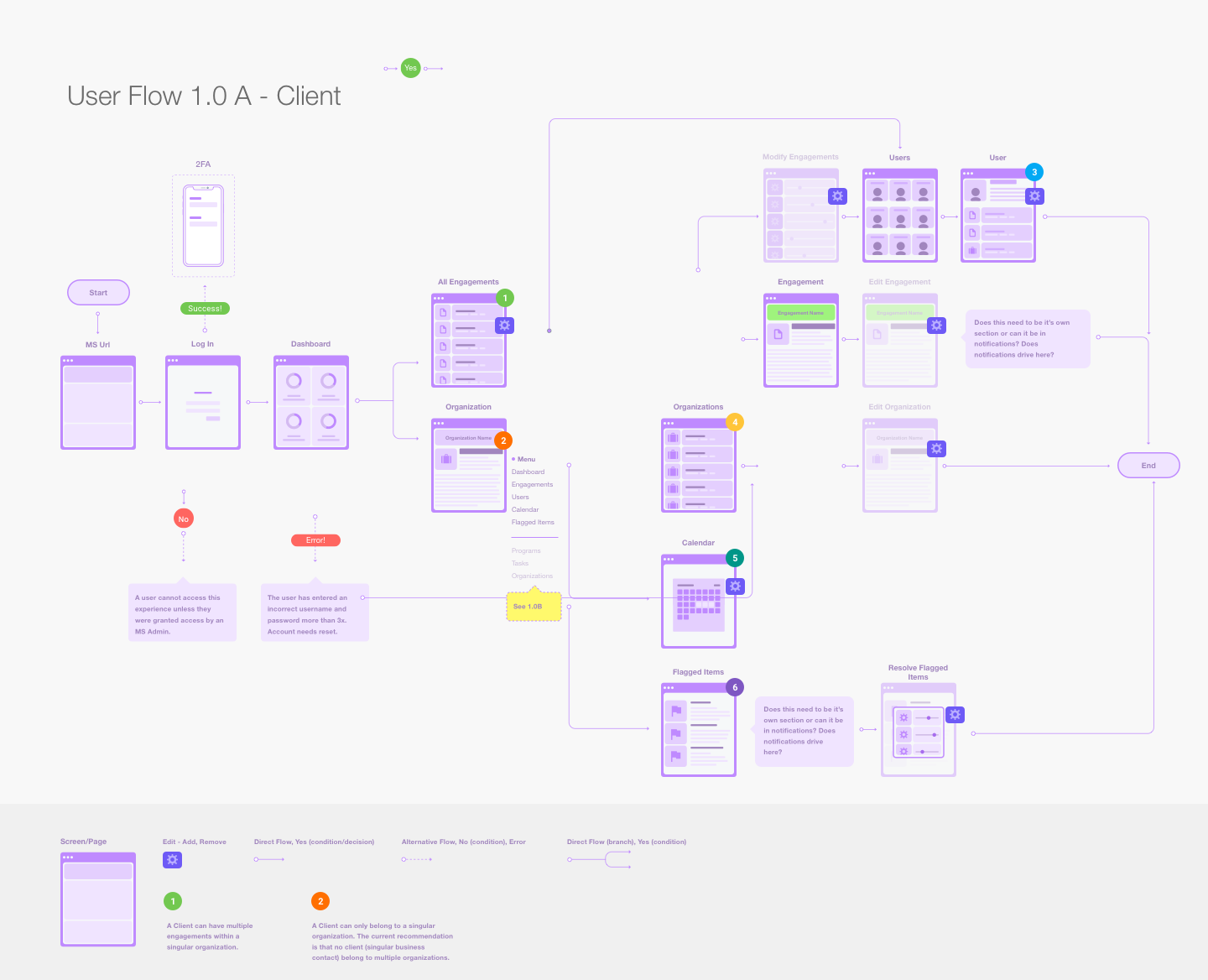
Client – Workflow
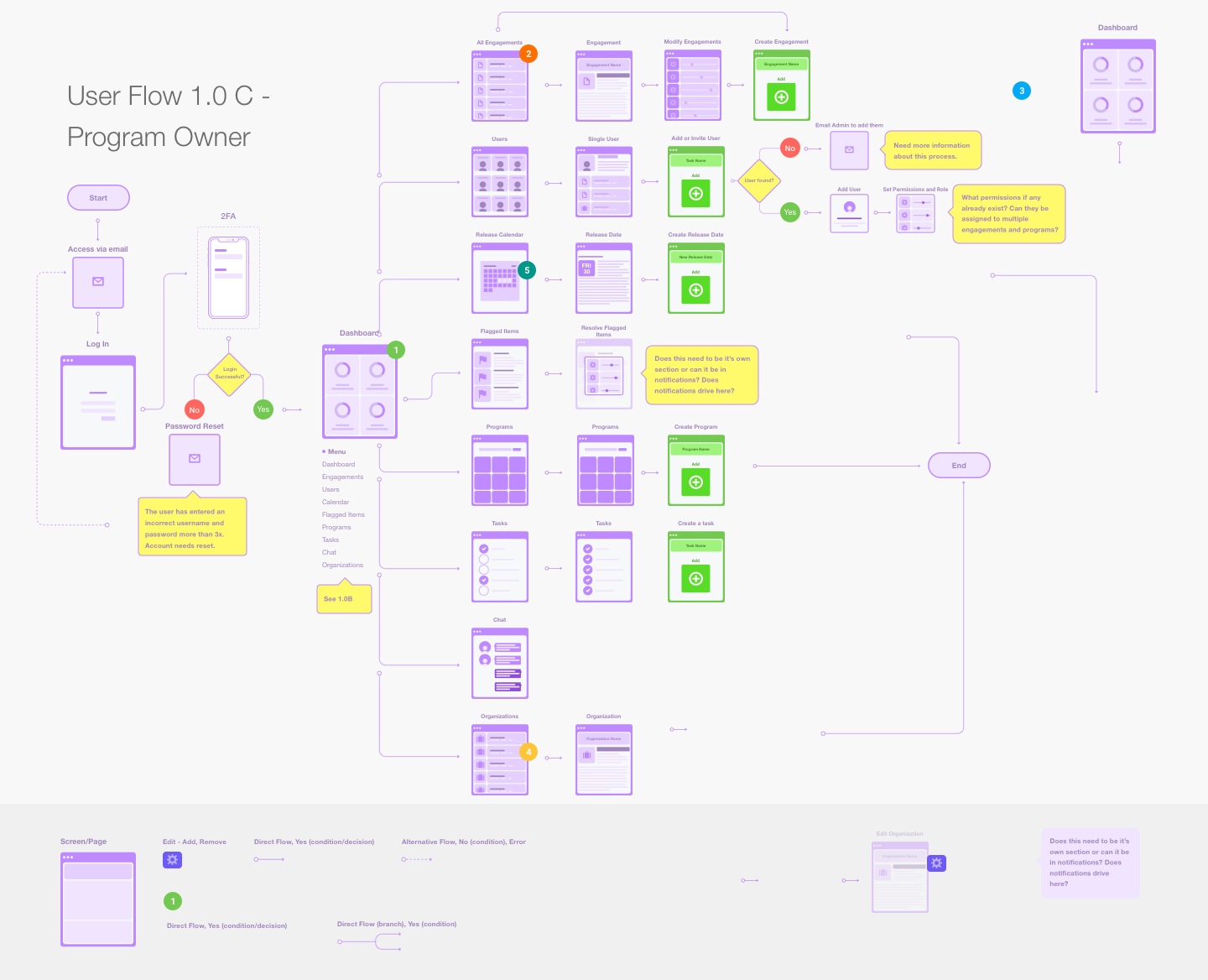
Program Owner – Workflow
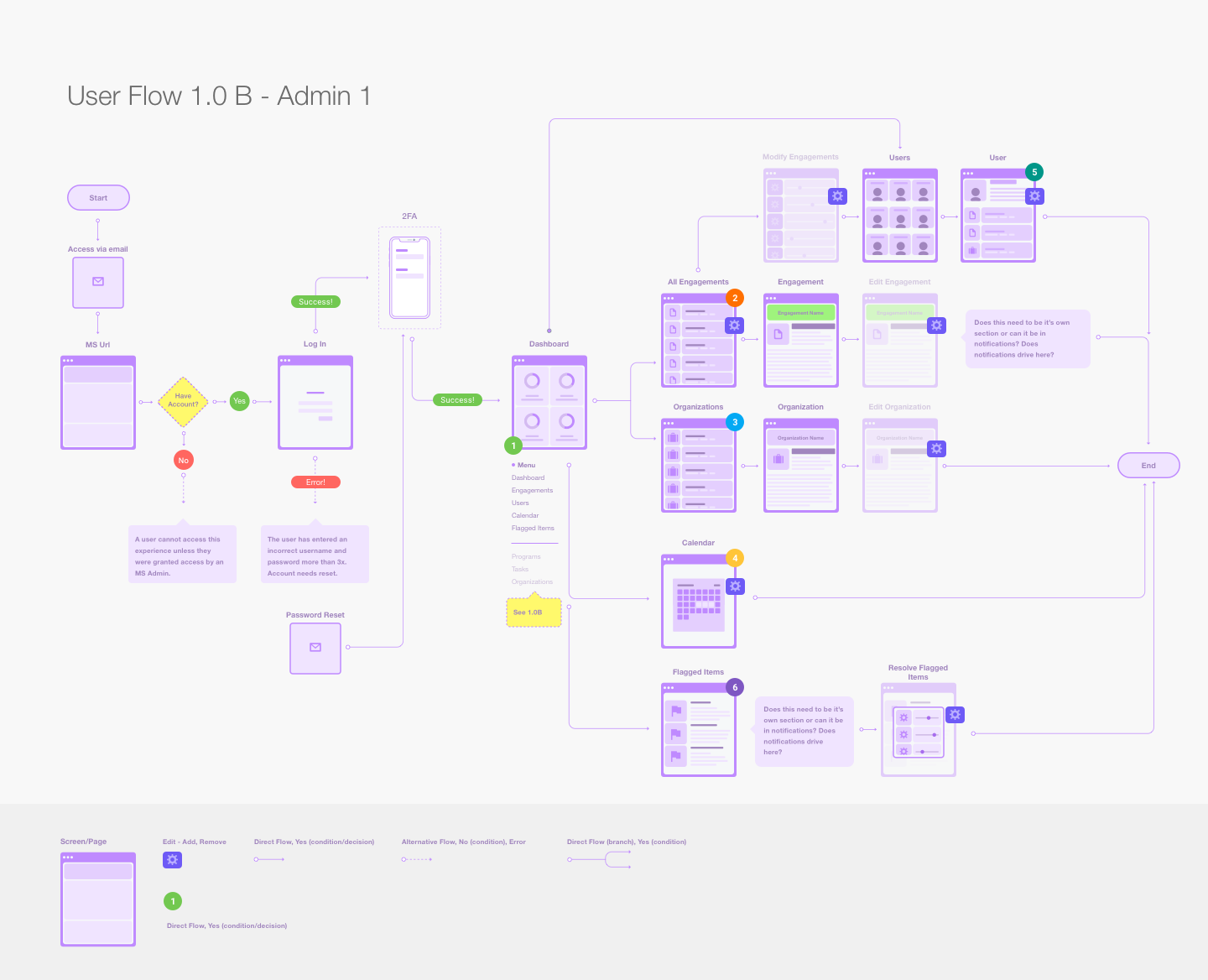
Admin 1 – Workflow
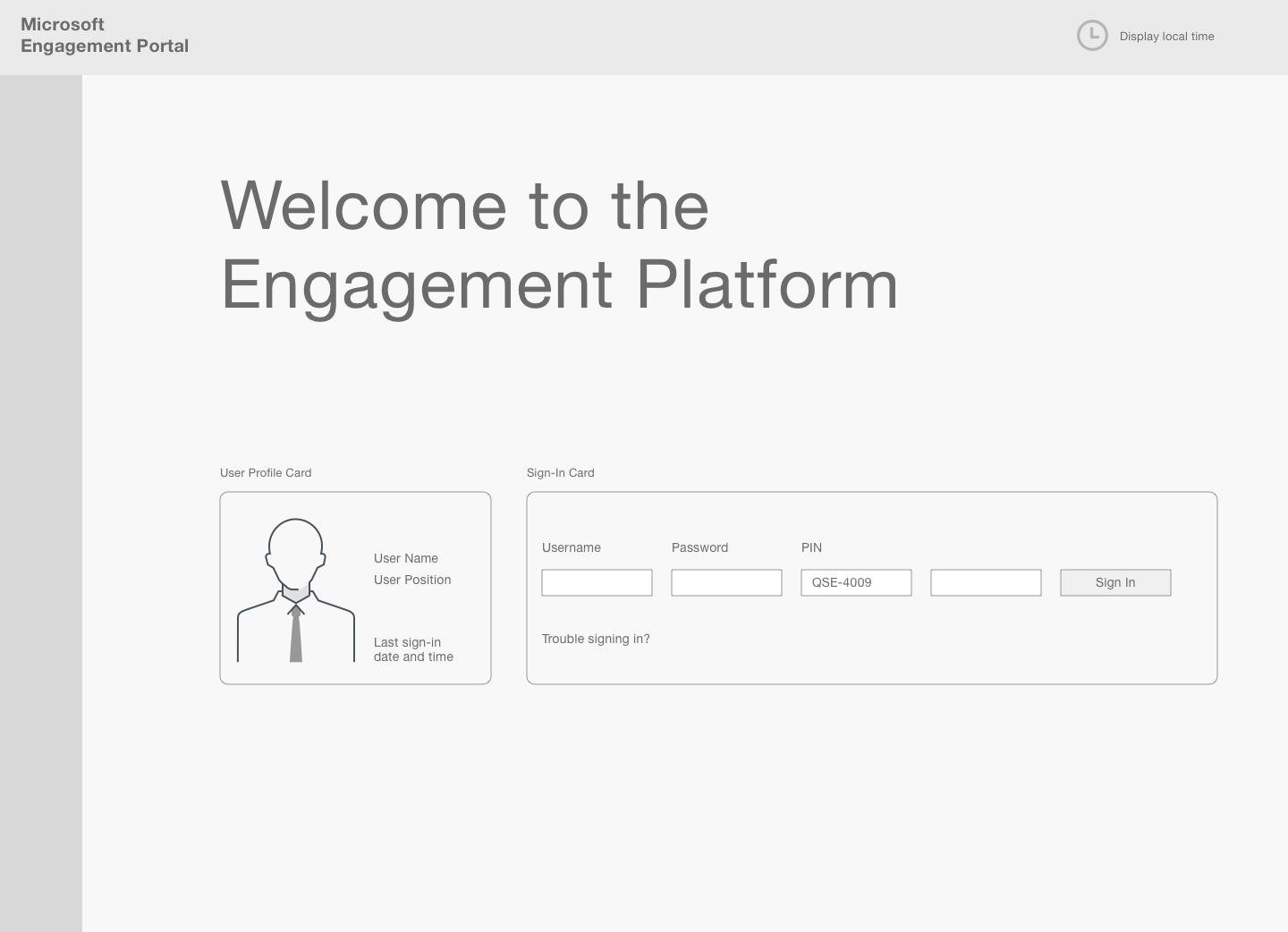
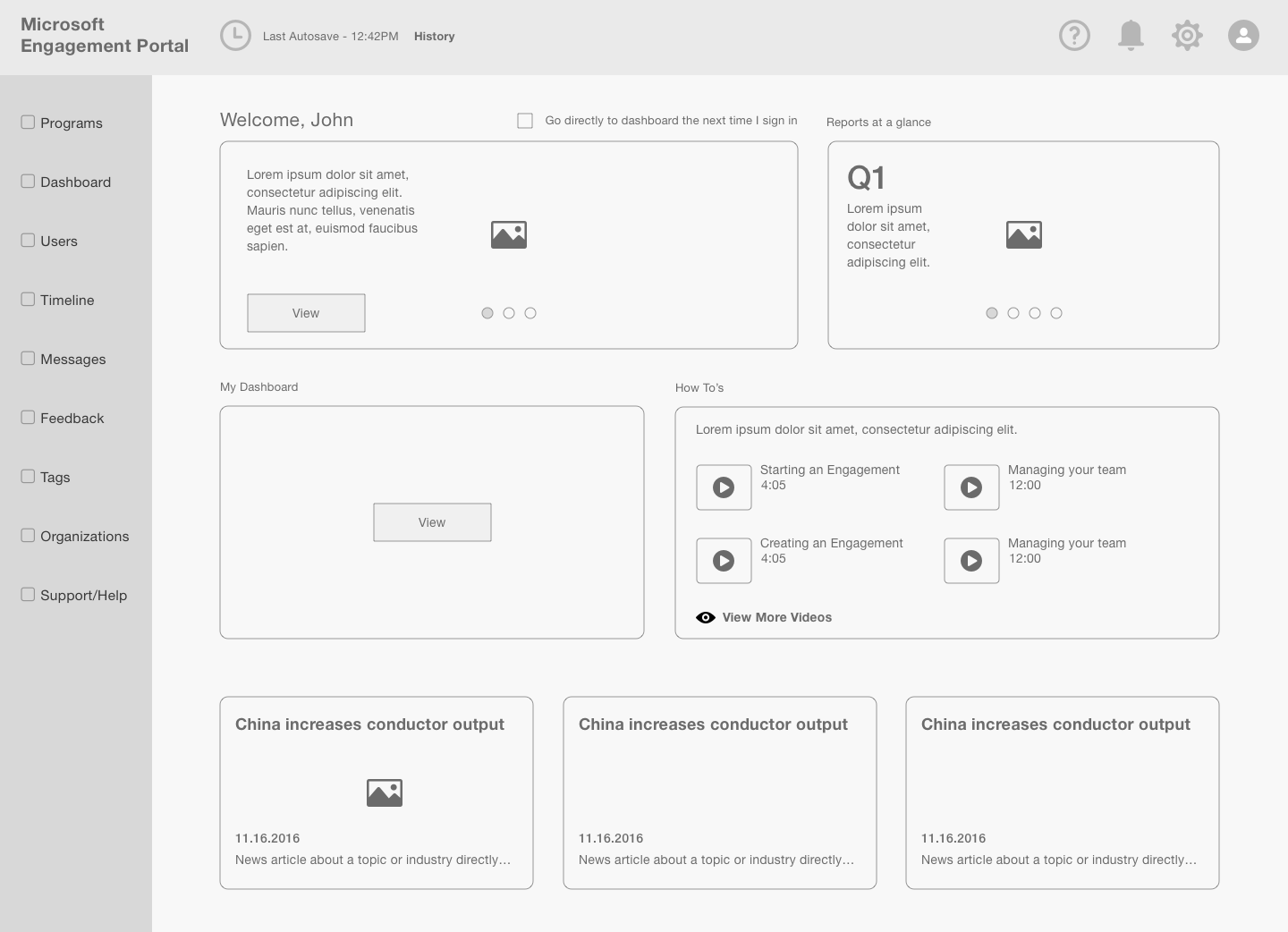
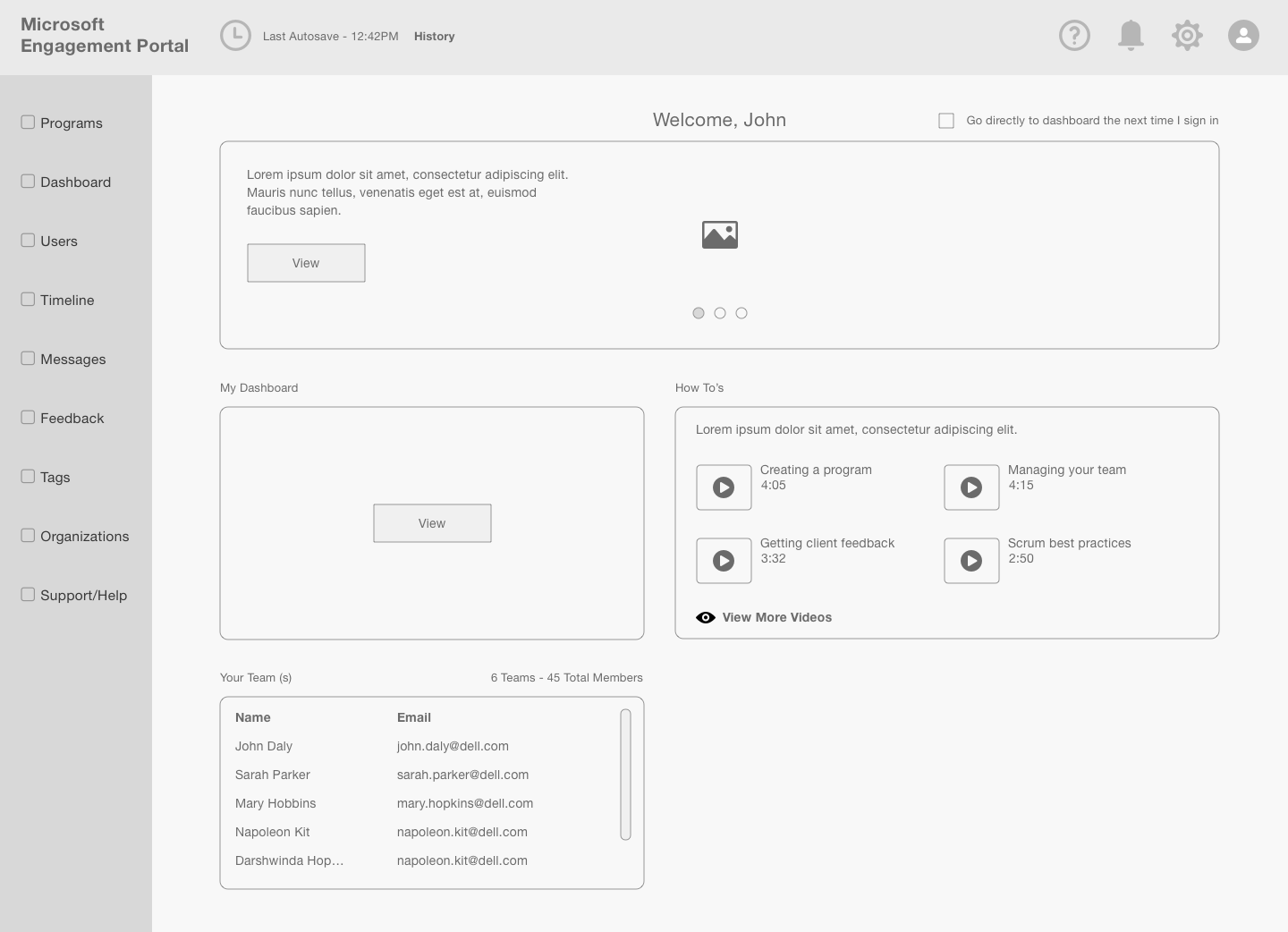
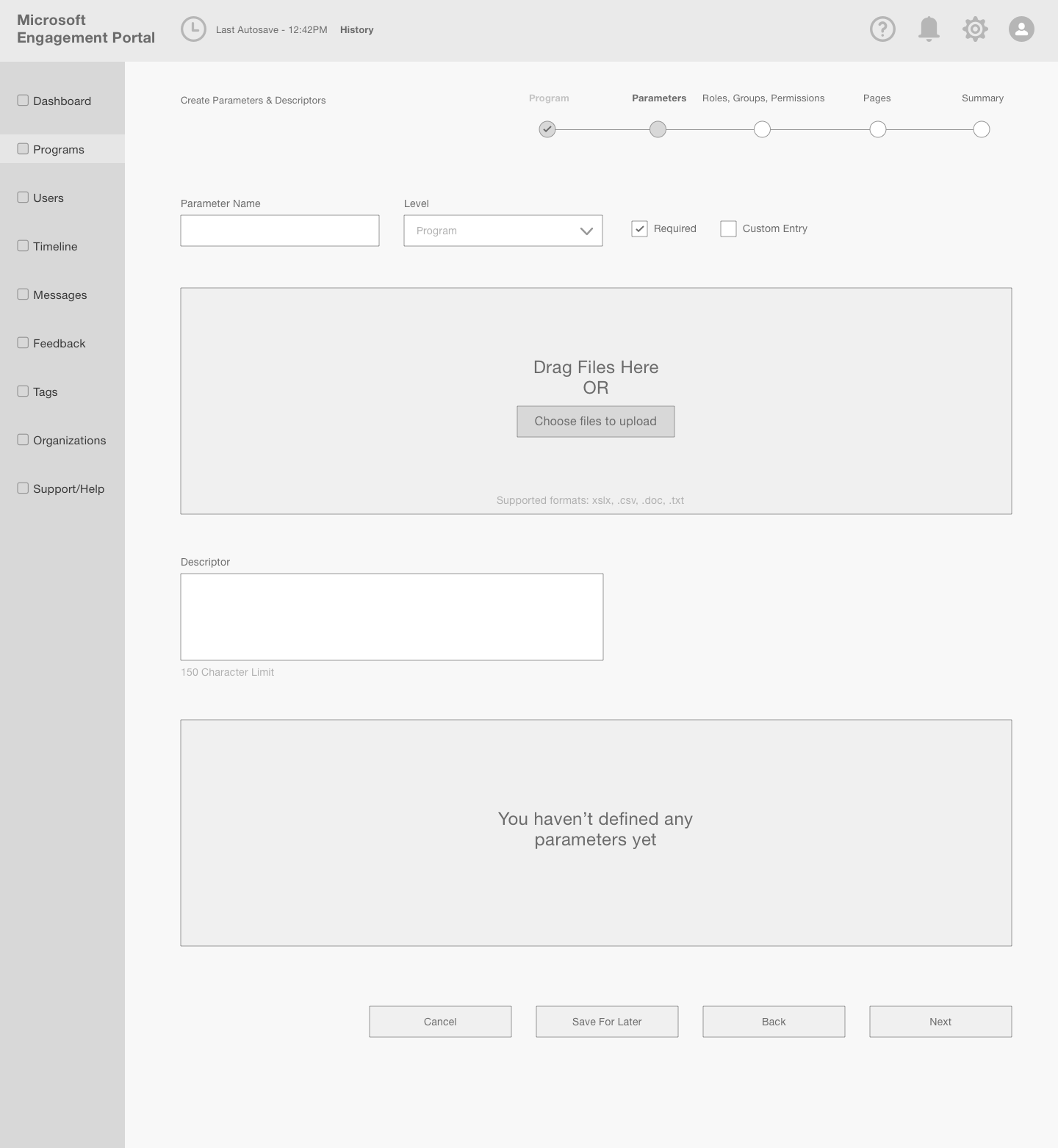
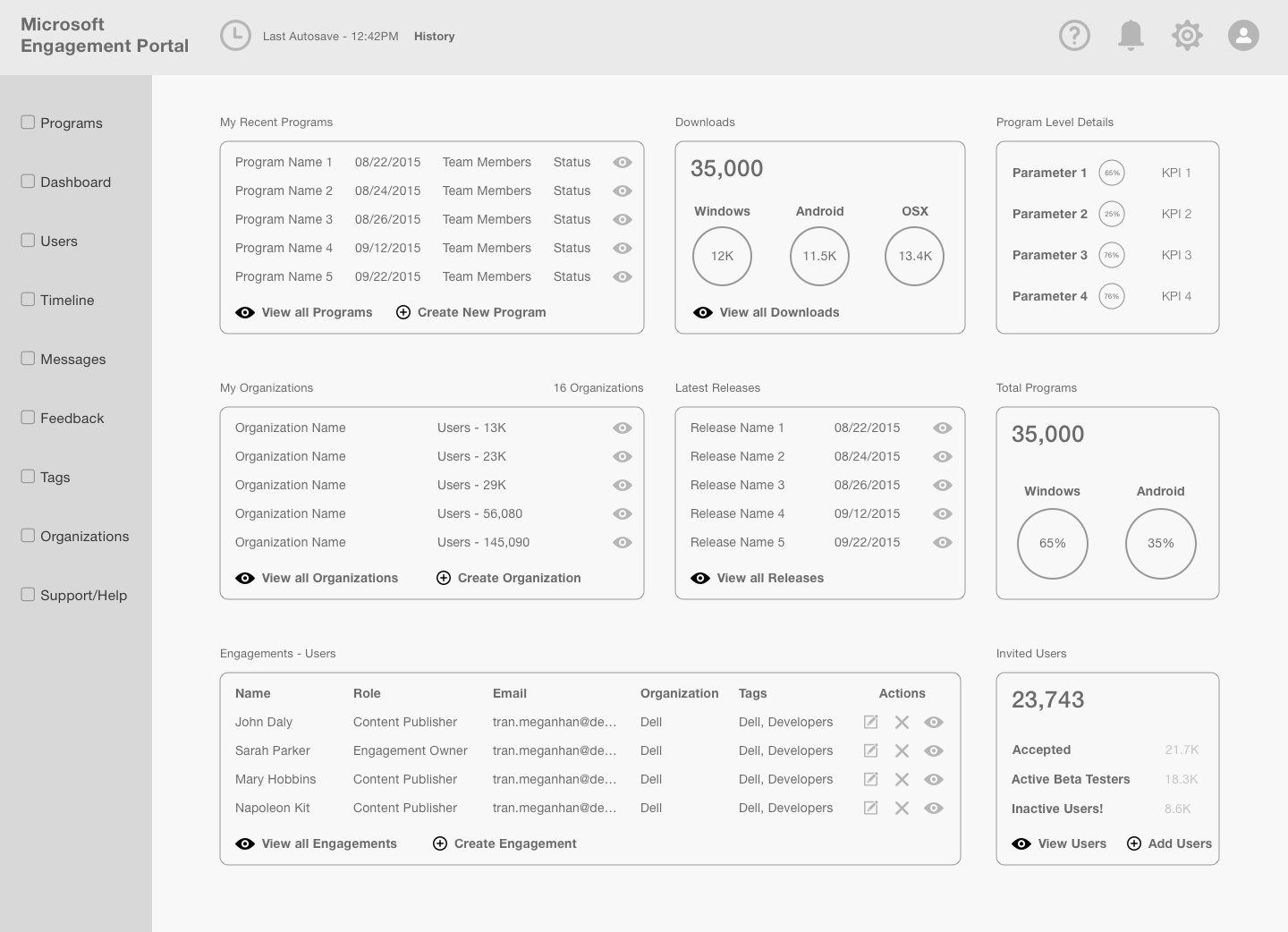
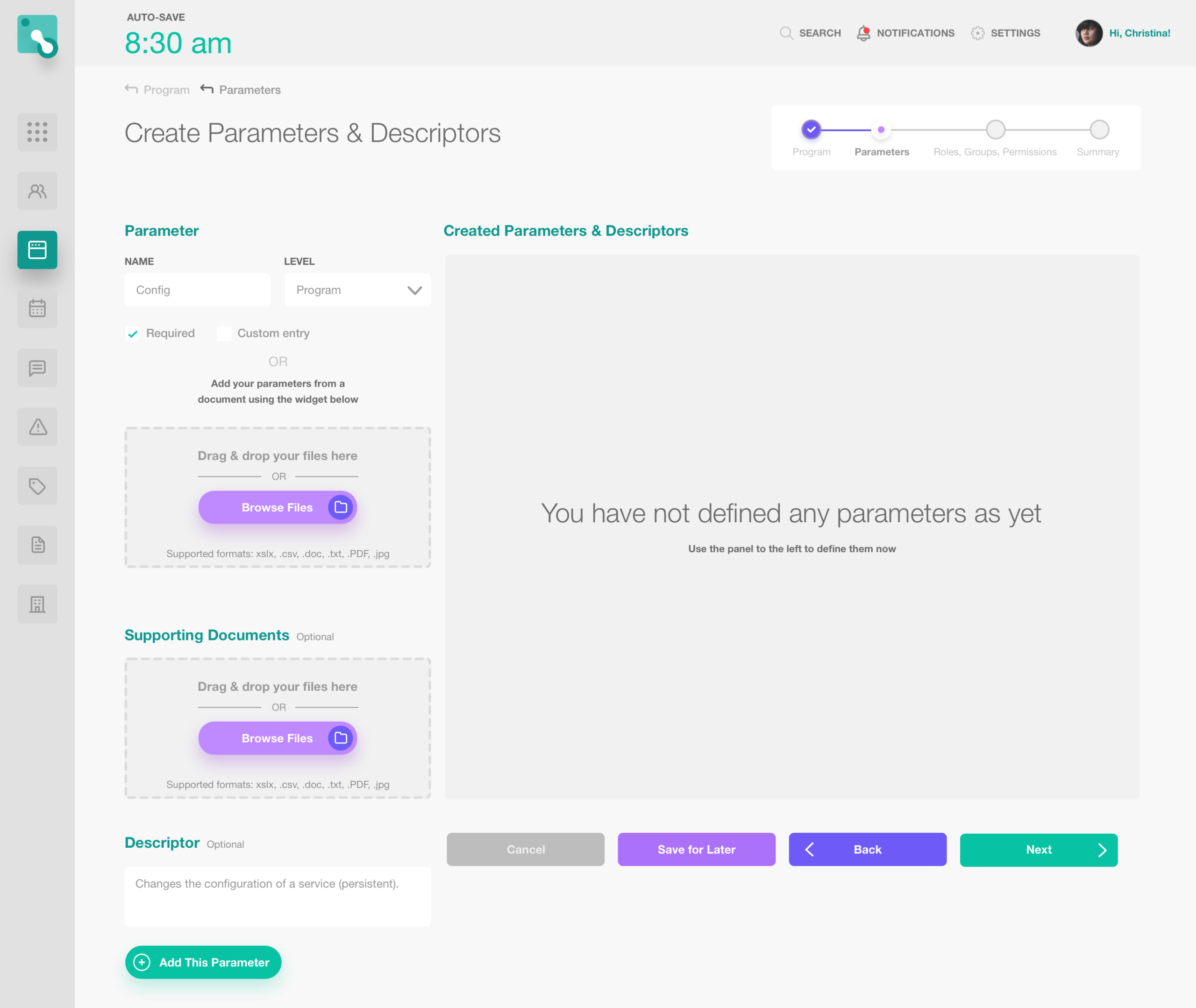
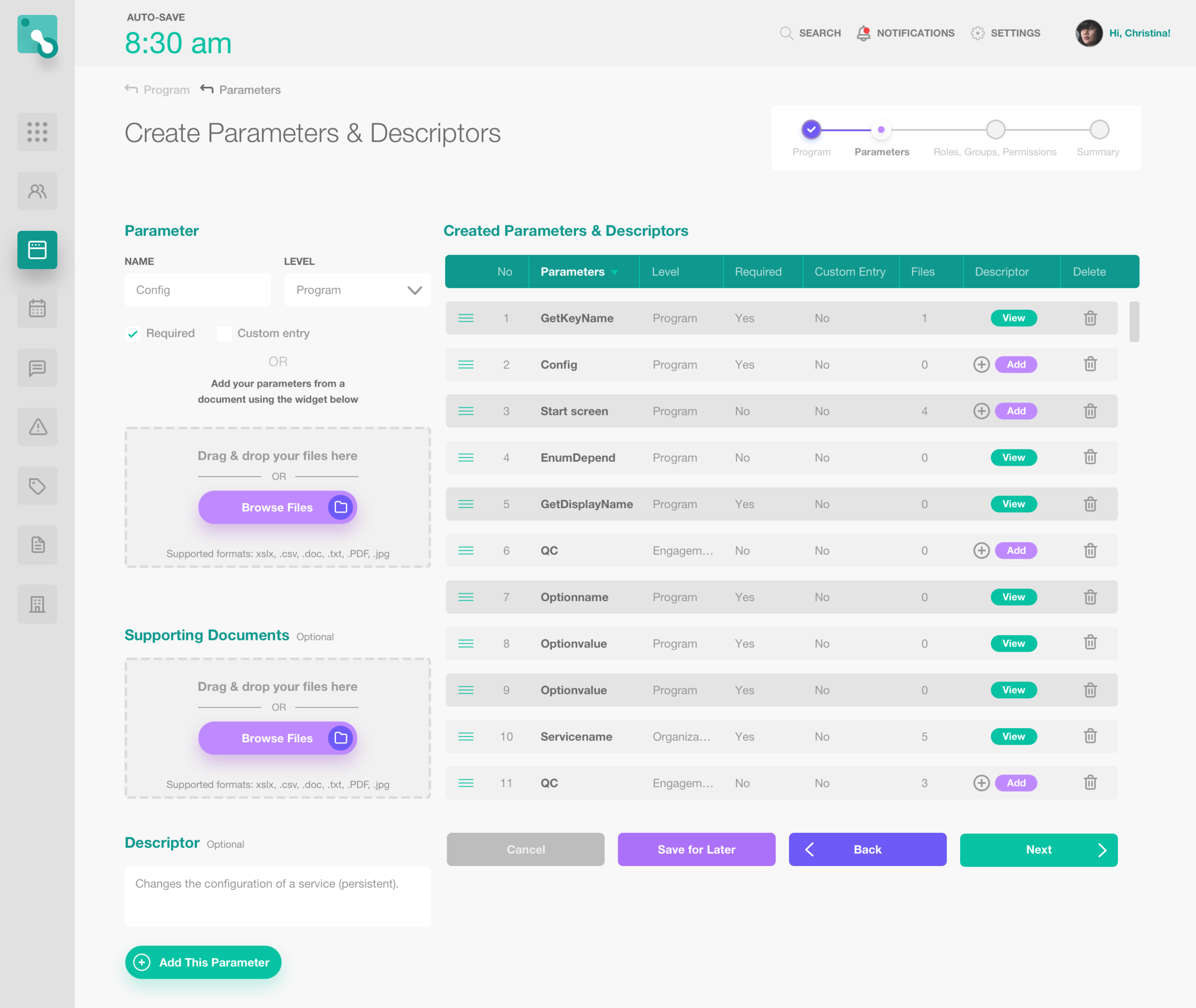
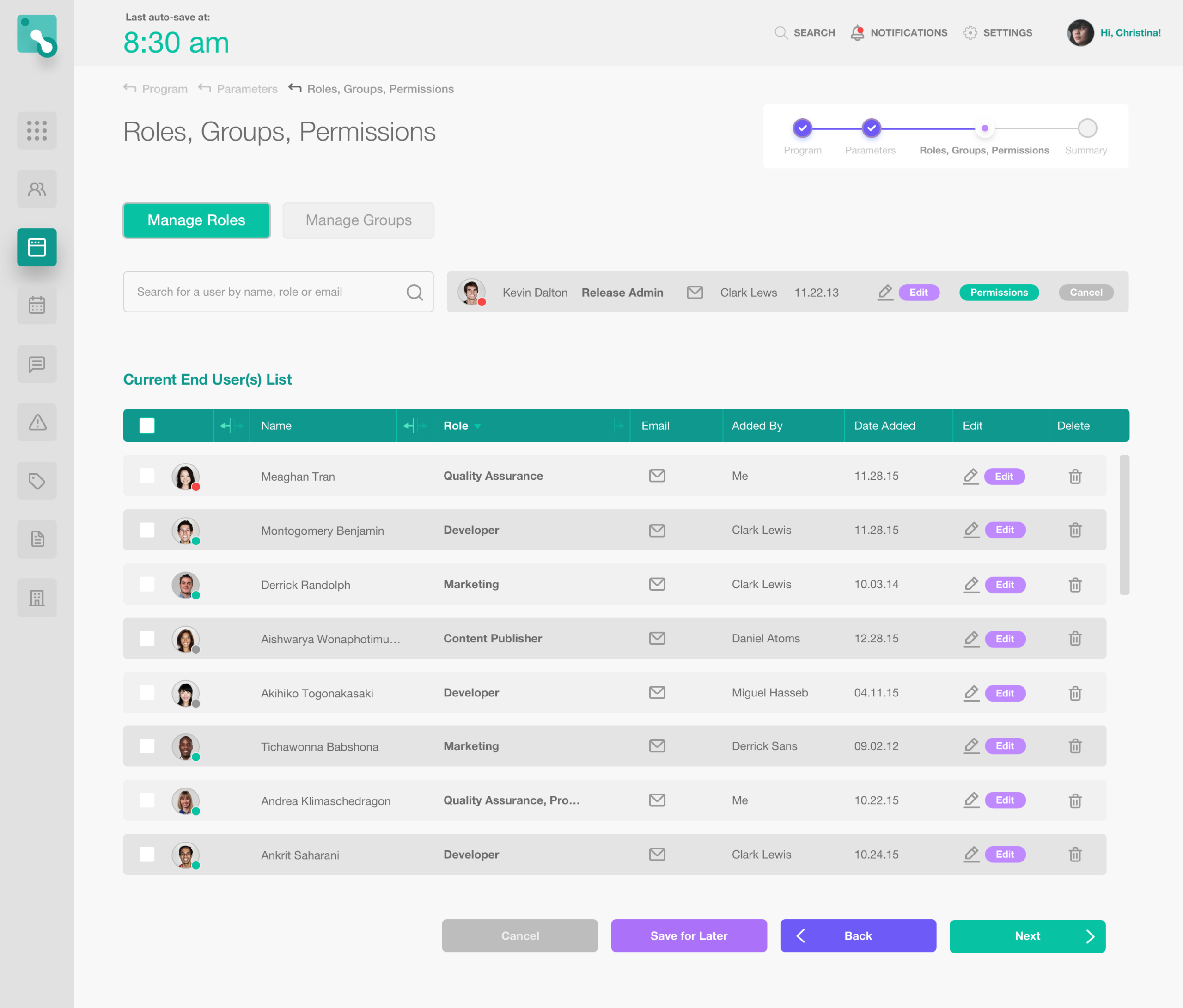
Designs
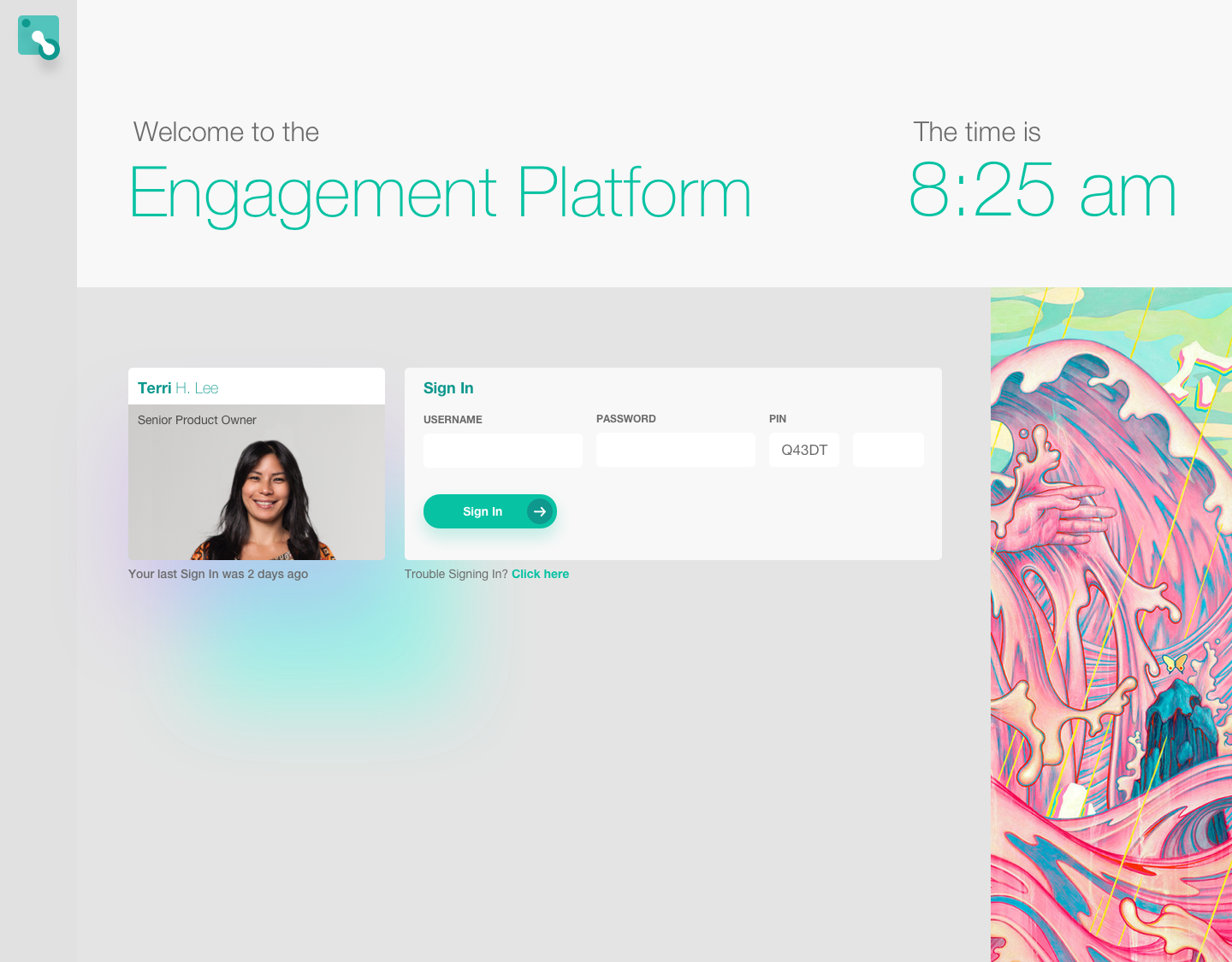
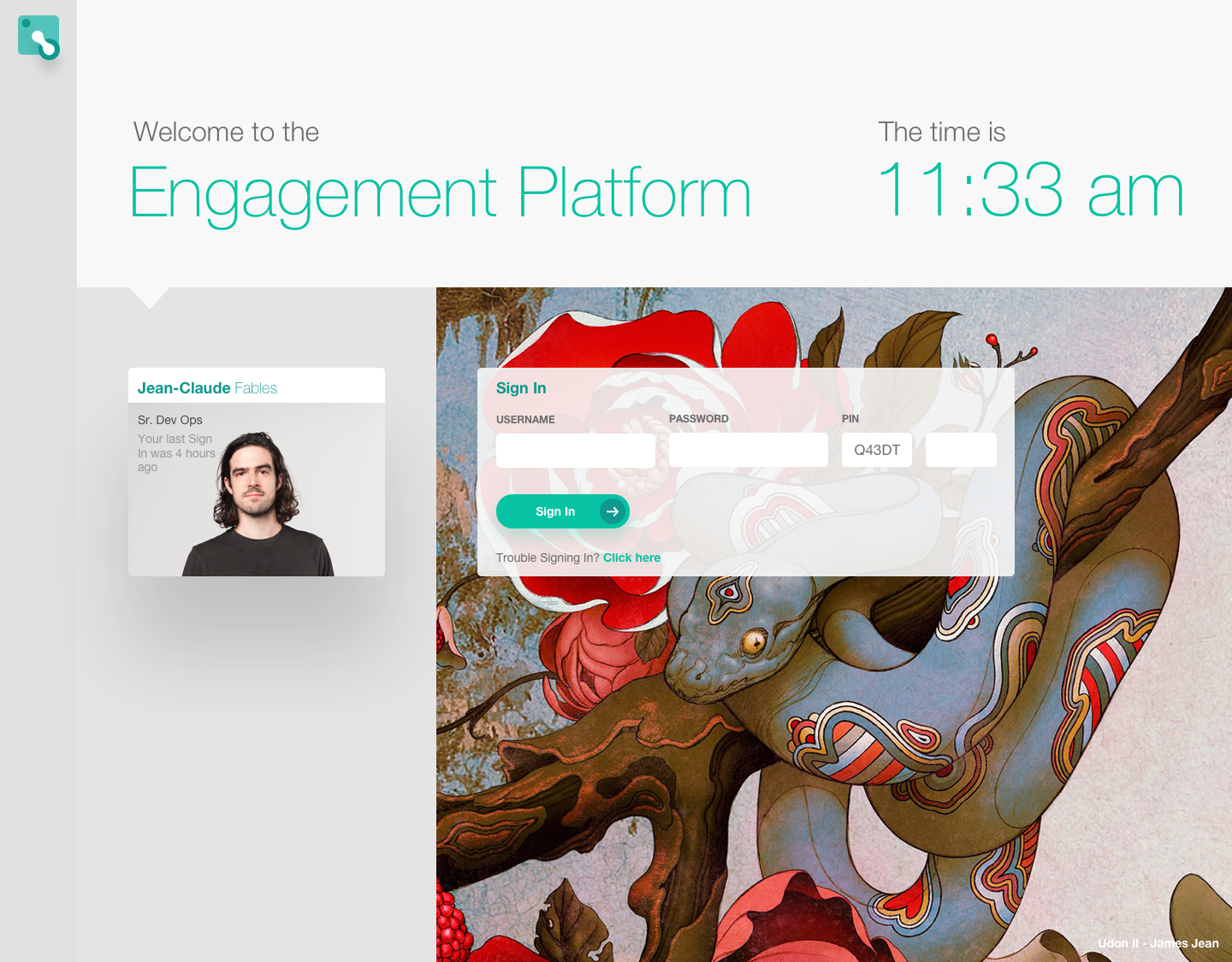
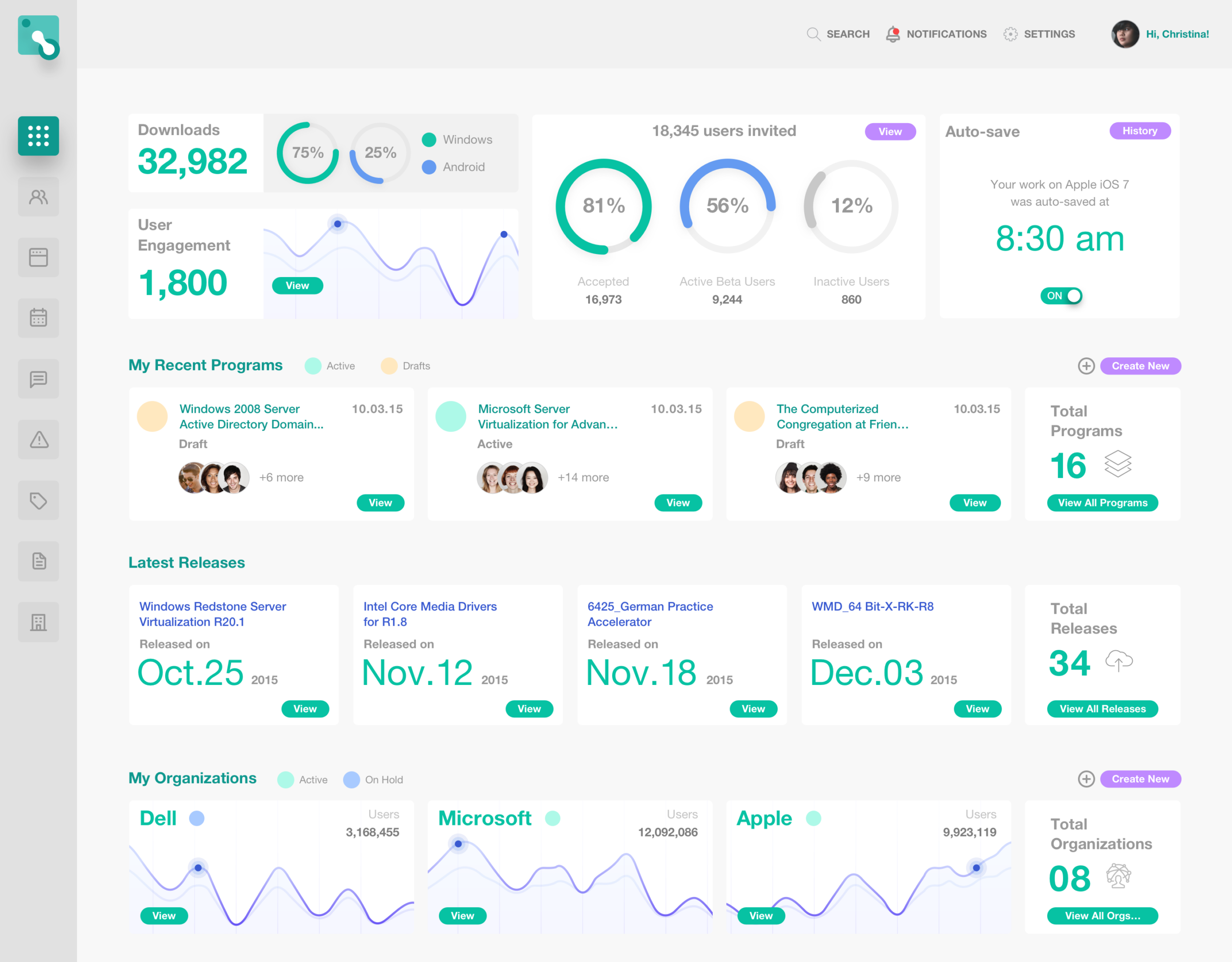
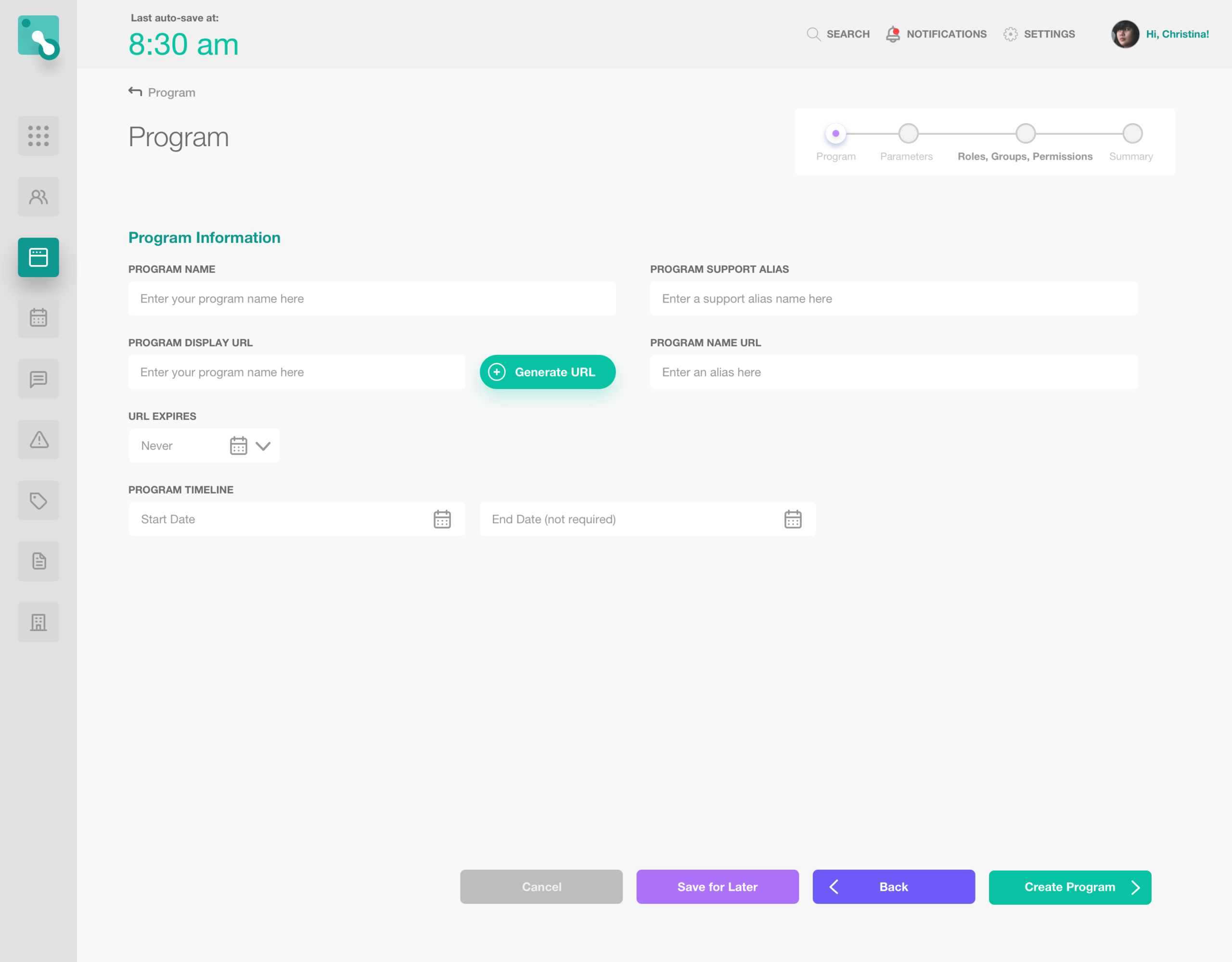
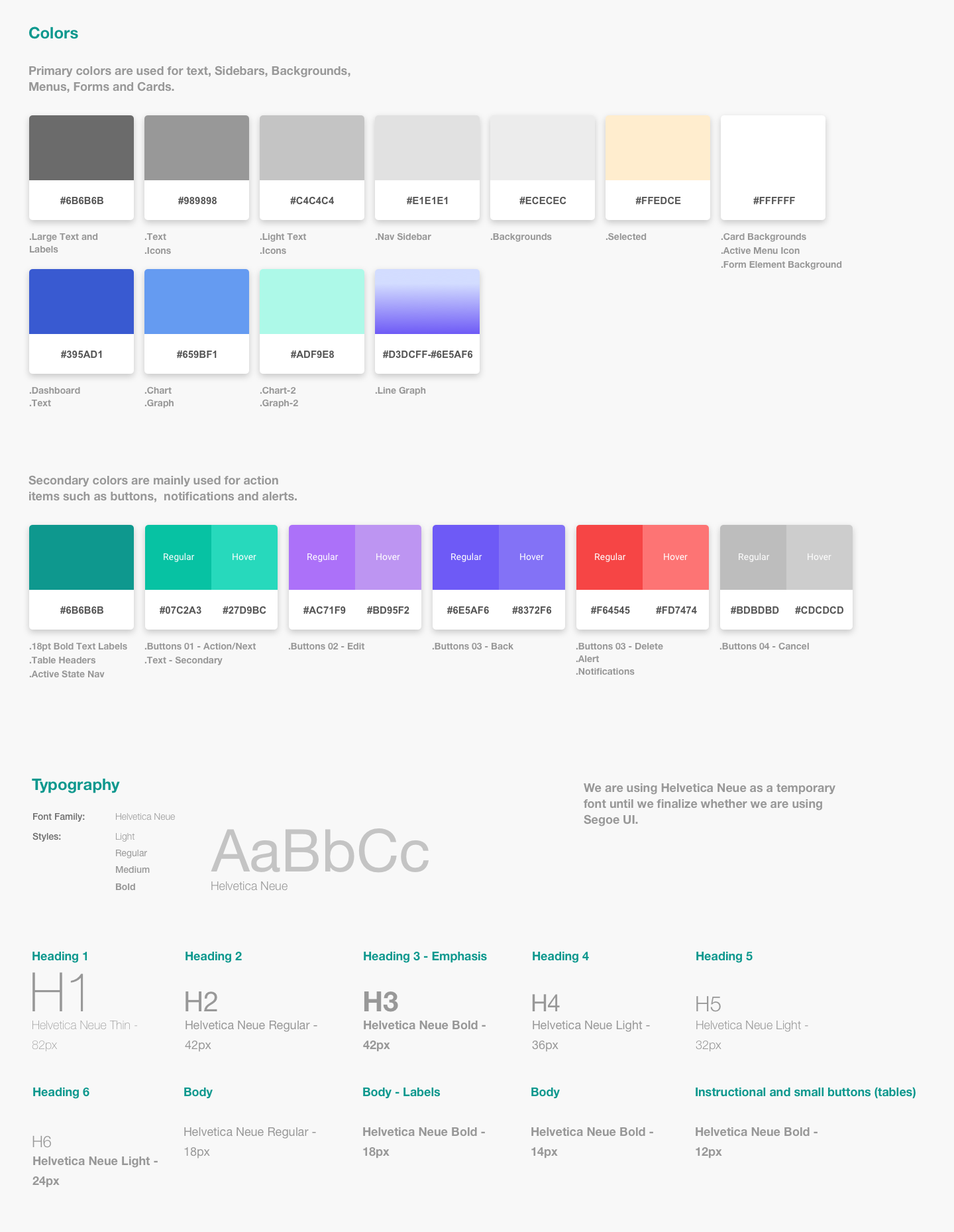
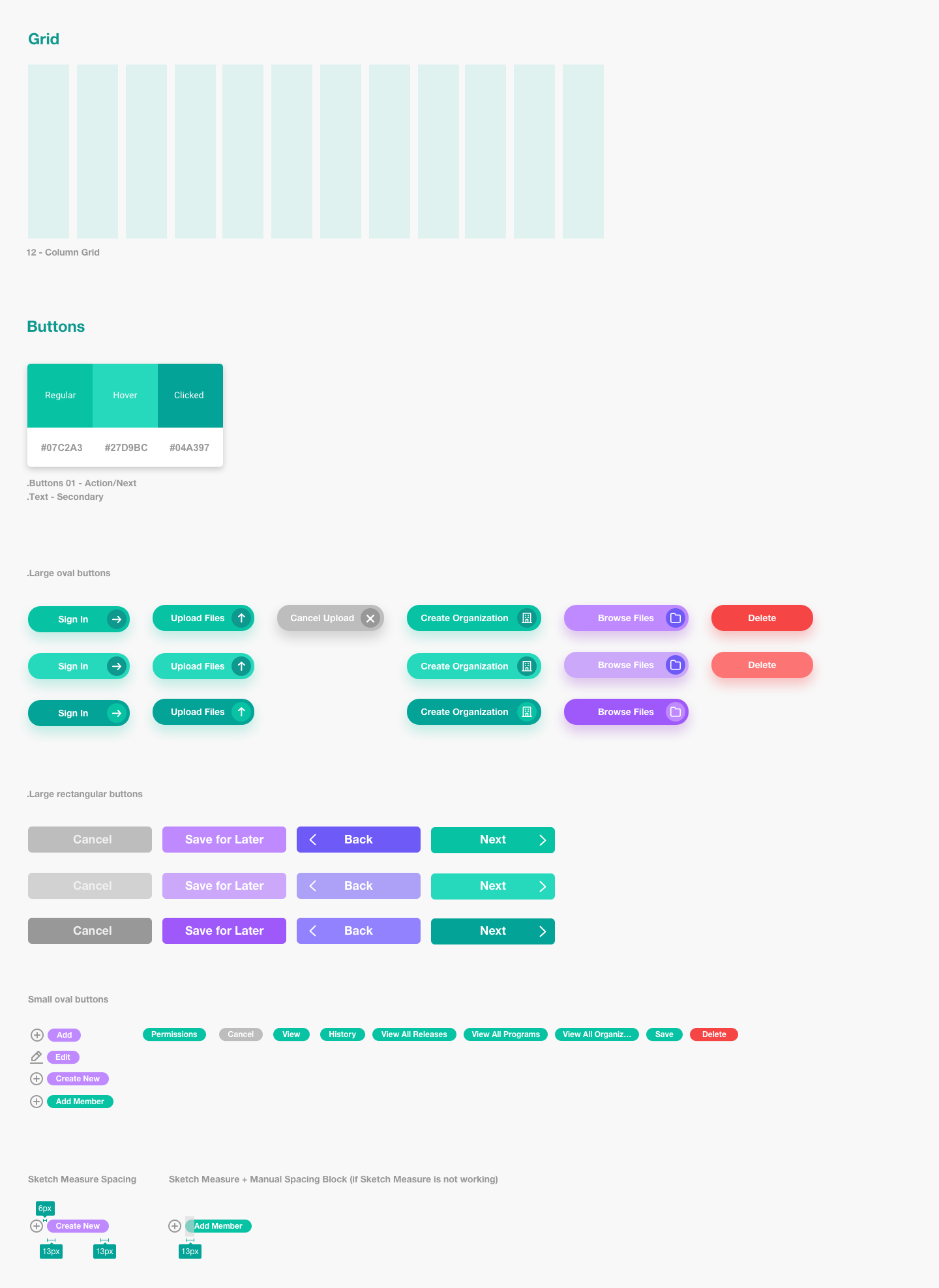
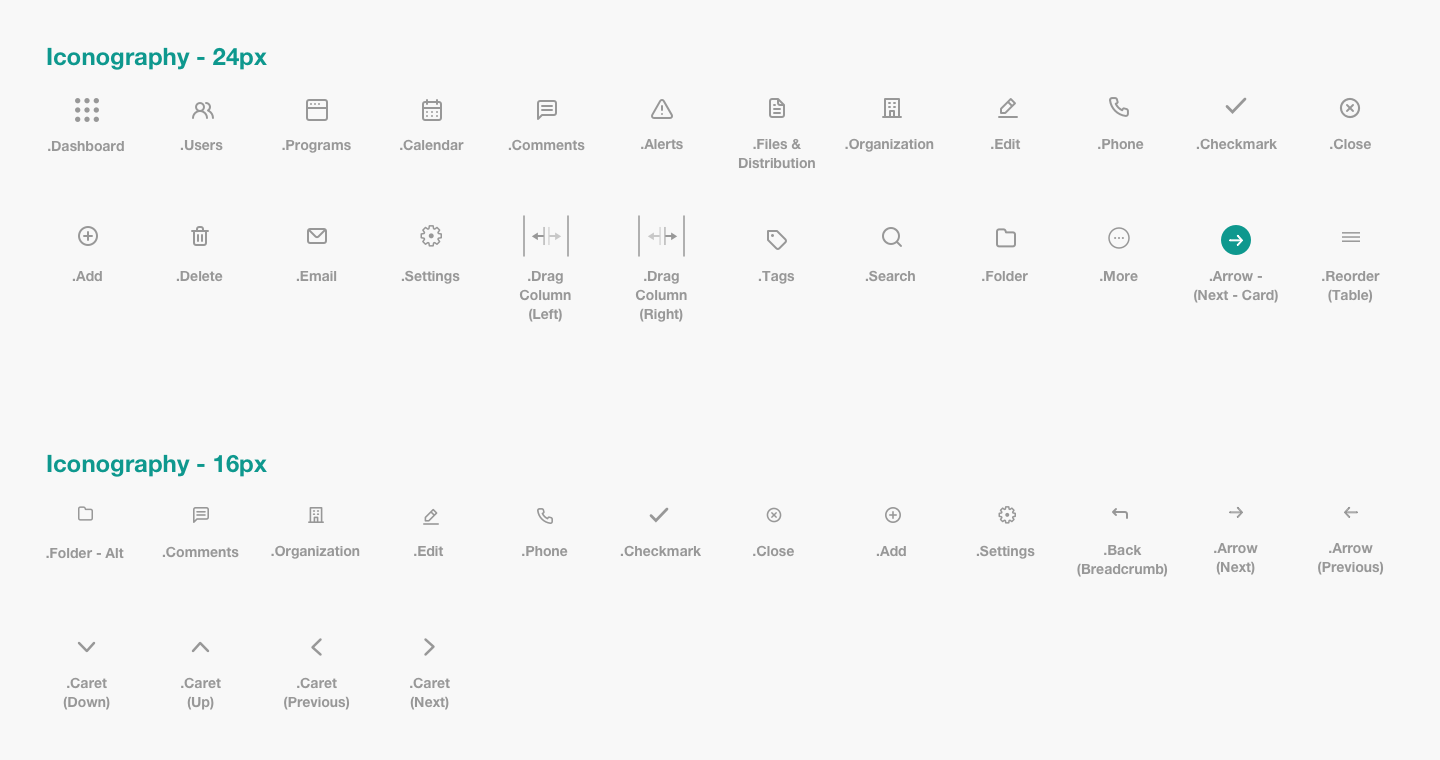
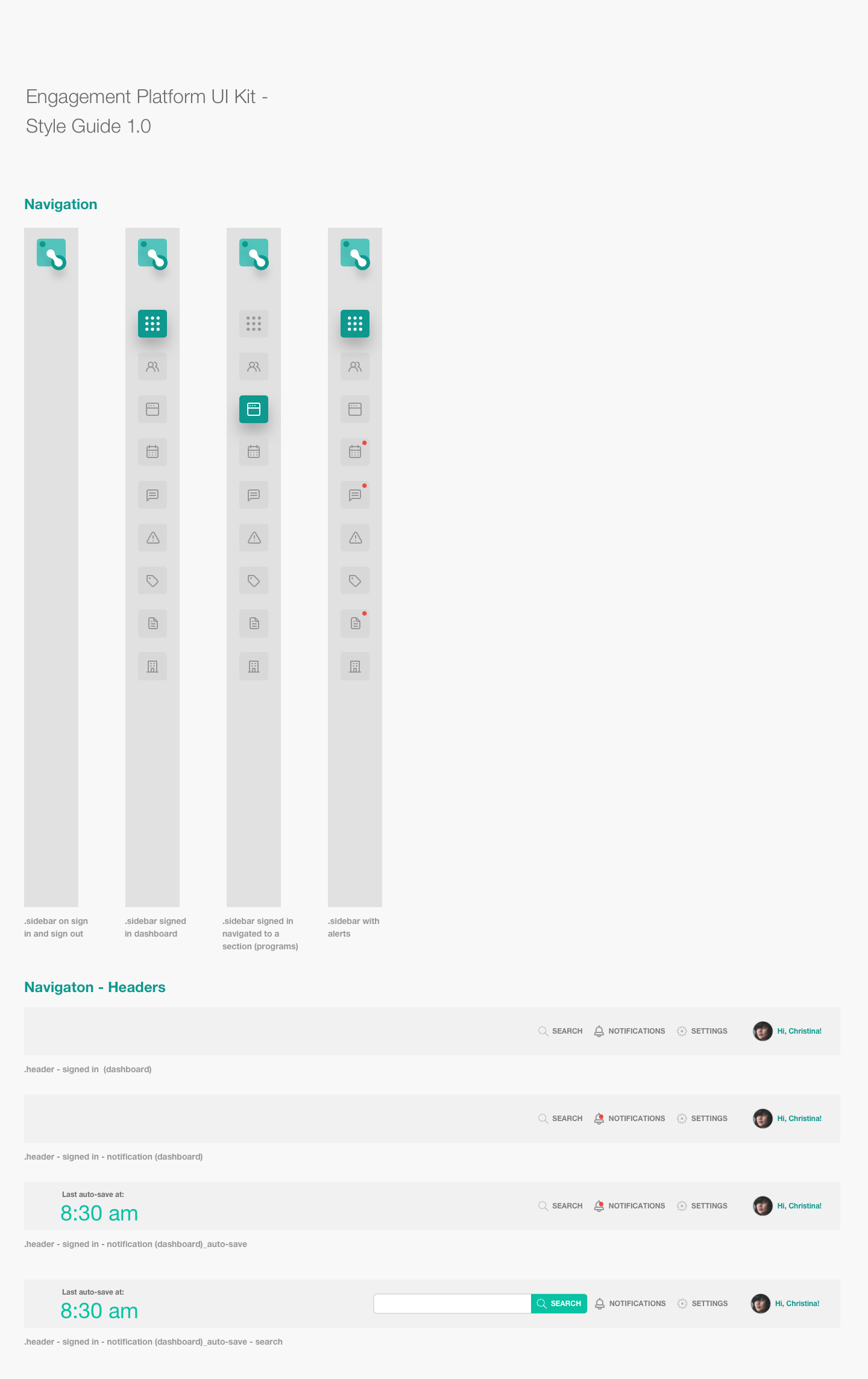
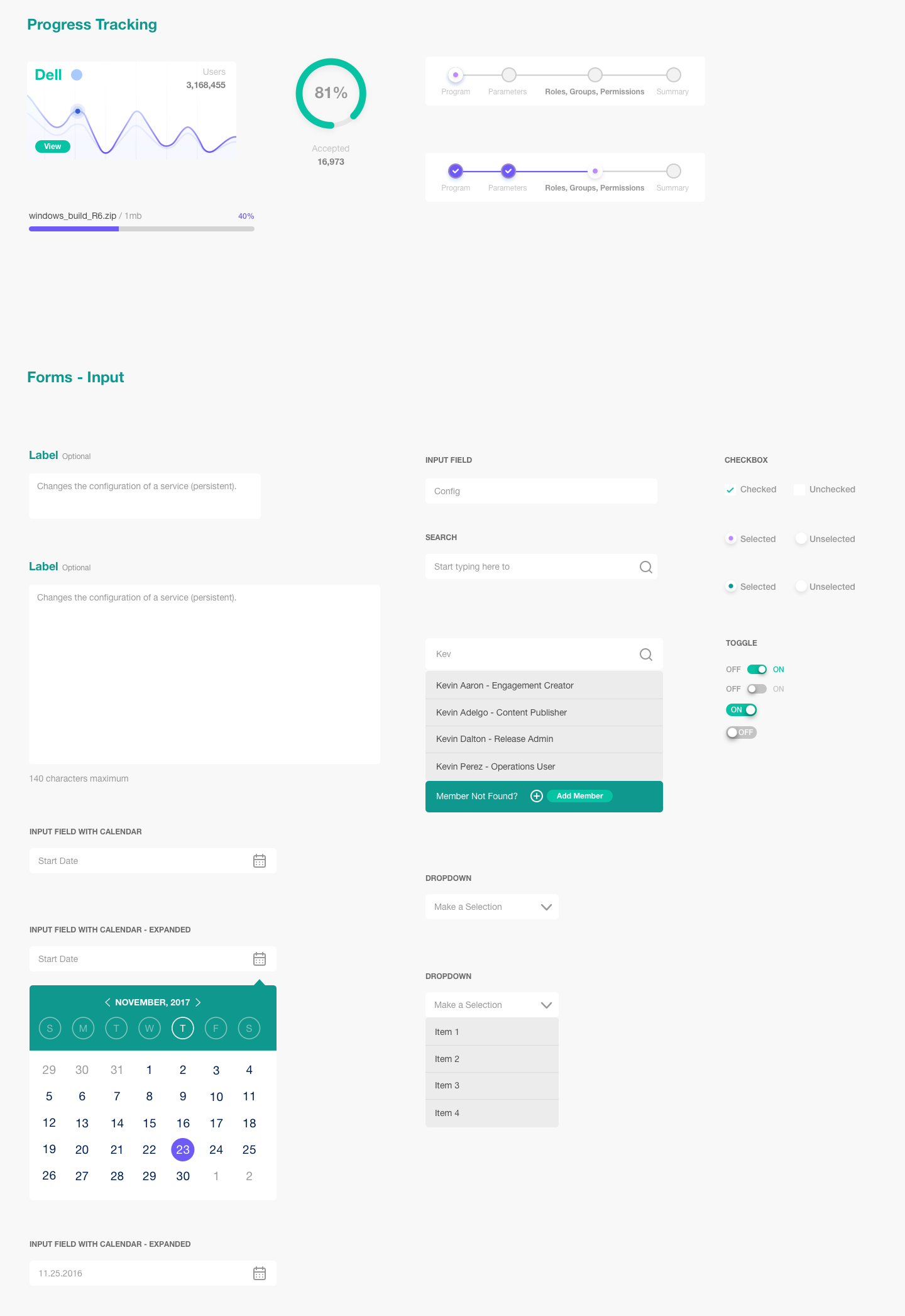
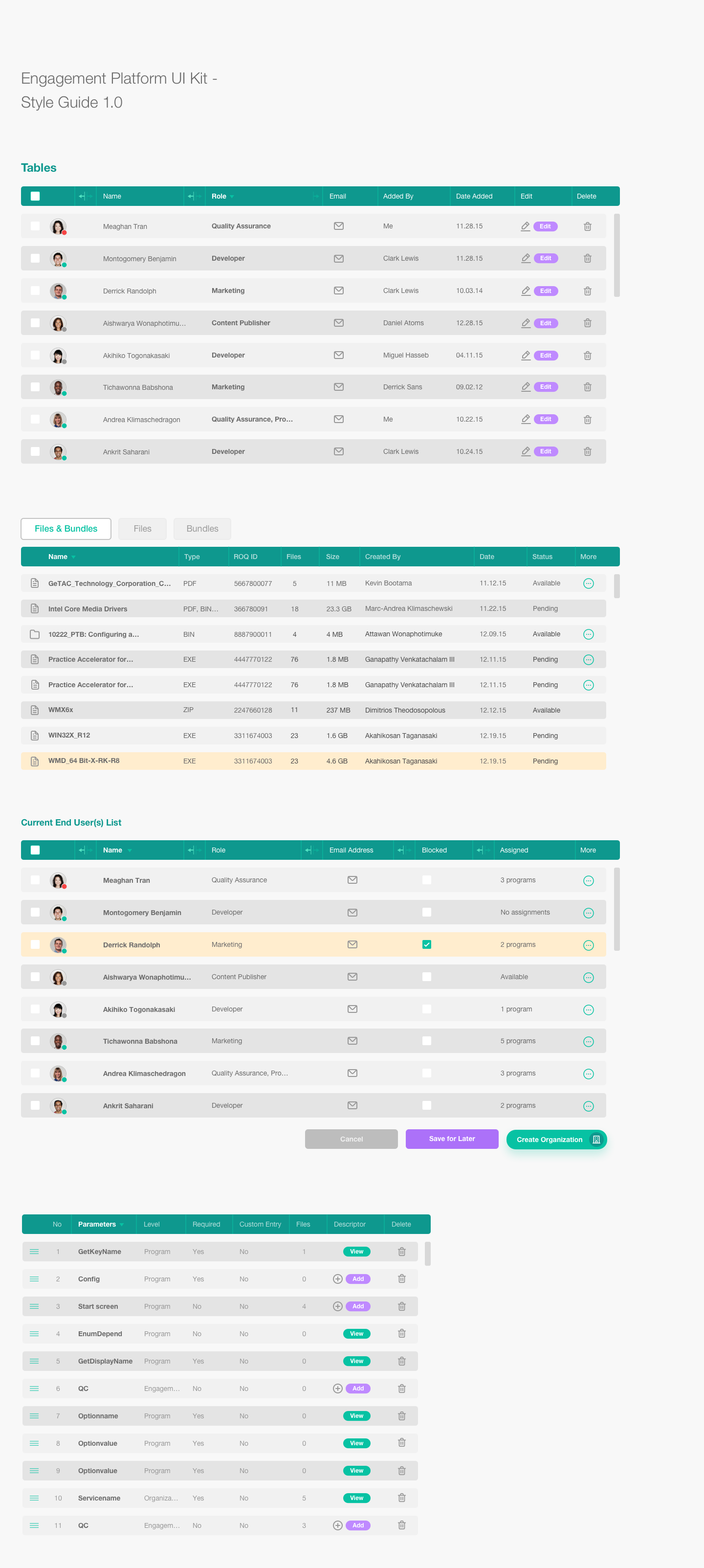
Conclusion
There’s more work to be done. In the user sentiment, I detected a high level of unreliability and errors in the app. These are server-side/engineering issues in how the app manages the stress of consumer demand. While Adidas will want to maintain some level of friction, the user success rate in the app should be higher. Even if a small portion of users is unsuccessful they should be able to recover from basic errors or not see them at all. This would be closely aligned to system heuristics in error handling.
The problem with the app being botted also needs to be resolved to change the sentiment of unfairness found in a large percent of the user feedback.